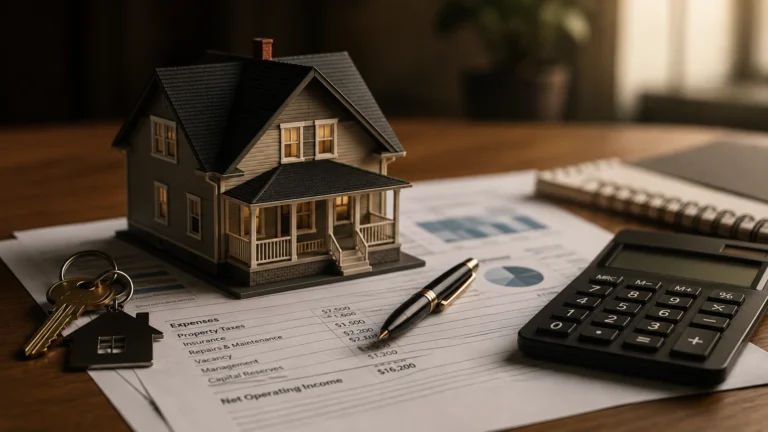

Three routes exist. Write the purchase so it depends on your sale, or borrow against the equity you already have. The third is to sell first and rent the house back from your buyer.
Each one costs something different, and each one lands differently with the seller on the other side. Pick the wrong one and you either lose the house or pay two mortgage payments at once.
What is a home sale contingency?
It is a clause that says your purchase only goes through if your current house sells by a set date. If it does not sell, you walk away and your earnest money comes back.
For you, that is protection. For the seller, it means their sale depends on a house they have never seen, listed by somebody they do not know.
So a contingent offer is a weaker offer. Against a clean one at the same price, it loses almost every time.
What is a kick-out clause?
It is how a seller says yes to a contingent offer without giving up their whole summer.
The seller accepts your offer, then continues to market the house. If a better offer arrives, they notify you, and you get a short window to drop the contingency or step aside.
Windows of forty eight to seventy two hours are common. Read yours before you sign, because that clock starts the moment they send the notice.
What is a bridge loan and what does it cost?
A bridge loan lends you money against the equity in your current house so you can put a down payment on the next one. You pay it back when your house sells.
The costs add up. Origination fees, a rate higher than a normal mortgage, and a period where you owe on both houses at once.
Not every lender offers them, and approval depends on how much equity you have. Ask your lender about it before you start looking, because finding out in week three changes what you can offer.
What is a post closing possession agreement?
This one goes by a few names. Rent back, use and occupancy, post closing possession.
You sell your house and close on it. Then you rent it back from the new owner for an agreed number of days while you close on the next one and move.
The buyer usually charges a daily rate. You also leave part of your sale money in escrow until you are out and the house is in the shape you agreed. It is the cleanest of the three, because your sale is finished and your money is in the bank when you write the next offer.
Which route fits which situation?
| Route | What it costs | Where it hurts | When it fits |
|---|---|---|---|
| Sale contingency | Nothing up front | Your offer loses to clean offers | A slow market, or a house nobody else wants |
| Bridge loan | Fees and a higher rate | Two payments during the overlap | Strong equity and a competitive purchase |
| Rent back | A daily rate to your buyer | You must find the next house fast | Most moves inside the Fox Valley |
None of these is free. The question is which cost suits you best, and the answer changes with how fast homes are selling that month.
What about the money in between?
You cannot spend your equity until your sale closes. A signed contract is a promise, and lenders treat it that way.
Your earnest money on the new house goes in before your old one closes, so plan where that comes from. Your mortgage contingency on the purchase protects you if the loan falls through, and it is separate from the sale contingency.
Ask your lender one question early: what does my approval look like with both mortgages showing? The answer decides which of the three routes is open to you.
How does this play out in the Fox Valley?
Timing is easier when both houses are local, because you control both closing tables and one attorney can coordinate them.
It gets harder against a new build. Build dates move by weeks, so a sale contingency written to a build date is a contingency written to a guess. Our post on new construction or resale covers how those schedules behave.
Moving inside the same school district gives you more room. The kids finish the year where they are, and you can price a longer rent back into the deal.
What should you do first?
Get your house valued and get your lender’s answer, in that order, before you look at anything. Your equity figure decides which routes exist for you.
Then sequence the two sides on purpose. A sale and a purchase planned together close within days of each other. Two planned separately turn into a storage unit and a rental.
Our page for move up buyers covers how we sequence the two sides for people already in a house here. Call Dale at (630) 940-7016 and bring your mortgage balance, because the plan starts there.